
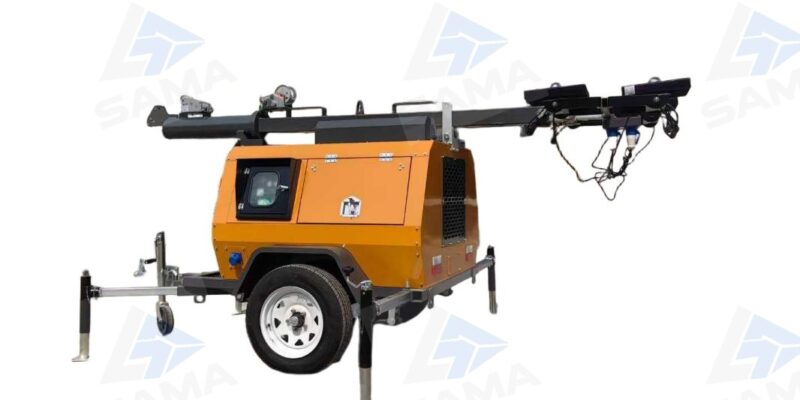
Portable Light Tower Buying Guide: Key Factors to Consider Before Purchasing
A portable light tower is a vital tool for any job that runs after dark. From road construction and mining to emergency response and outdoor events, these mobile lighting solutions keep crews safe and projects on schedule.
But choosing the right portable light tower is not just about picking the brightest option. This guide walks you through seven key factors to consider before making a decision.
1. Illumination Power and Coverage Area
The main job of a portable light tower is to provide adequate light over a wide area. Buyers should evaluate both the intensity of the light (measured in lumens) and the coverage radius.
Most modern portable light towers use LED technology, which produces brighter light while consuming less energy. Many industrial-grade towers can effectively illuminate up to several thousand square meters. Adjustable light fixtures also allow operators to rotate and direct light exactly where it is needed.
2. Power Source and Energy Efficiency
The power source is another critical factor. Portable light towers generally come in three configurations:
- Engine-driven towers: Common in remote areas without external power. They provide strong, reliable light and can run for many hours on a single tank, making them ideal for continuous night work.
- Solar-powered towers: Powered by solar panels and a battery pack. These are gaining popularity for their sustainability benefits, often running for a full night after just one day of sunshine.
- Hybrid systems: Combine solar energy with a backup engine. These offer adaptability for cloudy conditions and can operate for extended periods, making them suitable for long-term infrastructure projects.
3.Portability and Transportability
By definition, a portable light tower must be easy to move between job sites. Mobility is especially important in road construction, emergency services, and temporary events.
Look for features like:
- Trailer-mounted or skid-mounted designs
- Compact dimensions for easier transport
- Quick setup mechanisms such as stabilizing legs and fork pockets
These features allow operators to relocate lighting equipment quickly without heavy machinery or complicated installation, minimizing downtime.
4. Mast Height and Adjustability
The height of the mast largely determines how wide an area a portable light tower can cover. Taller masts spread light over larger areas and help reduce shadows.
Many portable light towers feature mast heights that allow effective coverage of up to several thousand square meters. Adjustable mast systems also enable operators to tilt and rotate lights, focusing illumination precisely where it is needed to improve both productivity and safety.
5. Durability and Weather Resistance
Portable light towers are often used in tough conditions: dusty construction sites, remote mining locations, coastal zones, and extreme weather. Therefore, durability is one of the most important factors.
Reliable towers are built with:
- Heavy-duty galvanized steel structures
- Corrosion-resistant coatings
- Waterproof electrical components
- Rugged chassis designed for off-road use
These robust designs enable portable light towers to endure vibration, rain, dust, and high winds.
6. Maintenance Requirements and Operating Costs
While the initial light tower price is important, long-term operating and maintenance costs should also be considered. Key variables that affect operating costs include:
- Fuel consumption
- Lamp replacement frequency
- Battery life
- Ease of servicing
Most modern portable light towers use advanced LED lighting systems with a service life of up to 50,000 hours, requiring much less maintenance than older halogen or metal halide systems. Some models run directly on grid power, consuming no fuel at all — making them suitable for urban projects with easy access to electricity.
7. Supplier Reliability
Finally, choosing a reliable supplier is just as important as choosing the right equipment. Dependable suppliers provide:
- Quality components and solid engineering
- Industry certifications
- After-sales support and service
Working with a trusted supplier helps ensure consistent product performance, technical support, and long-term cost efficiency.
The Growing Importance of Portable Lighting Solutions
As infrastructure development and urbanization continue to grow worldwide, the demand for portable light towers has increased rapidly. Governments and private developers are investing heavily in transportation systems, smart cities, and energy projects — all of which require reliable portable lighting for night shifts and remote locations.
Final Thoughts
Selecting the right portable light tower involves more than just choosing the brightest unit. By carefully evaluating illumination power, power source, portability, mast height, durability, maintenance costs, and the reputation of your supplier, you can make a well-informed purchasing decision.
Investing in the right portable light tower ultimately means greater workplace safety, better efficiency, and lower operating costs over the long term. Understanding what drives light tower price — both upfront and over time — will help you choose equipment that performs reliably in even the toughest conditions.
Need help finding the right portable light tower? Contact our team for expert, no-pressure guidance. We will help you understand your options and find the perfect match for your specific job site needs. Subscribe to our newsletter for more unbiased buying guides and industry insights.